

Traces of the Beendorf concentration camp
Bulldog and Polecat
This tour is available online as a scroll-based version.
You can experience the full tour by visiting the historic site.
“Bulldog & Polecat” in Beendorf explores the site of a former potash mine and its history.
Please ensure that the sound is turned on.
Note on the content
This experience deals with historical events from the Nazi era, including forced labour and war. The content is serious and may be distressing.
Foundation as a potash mine
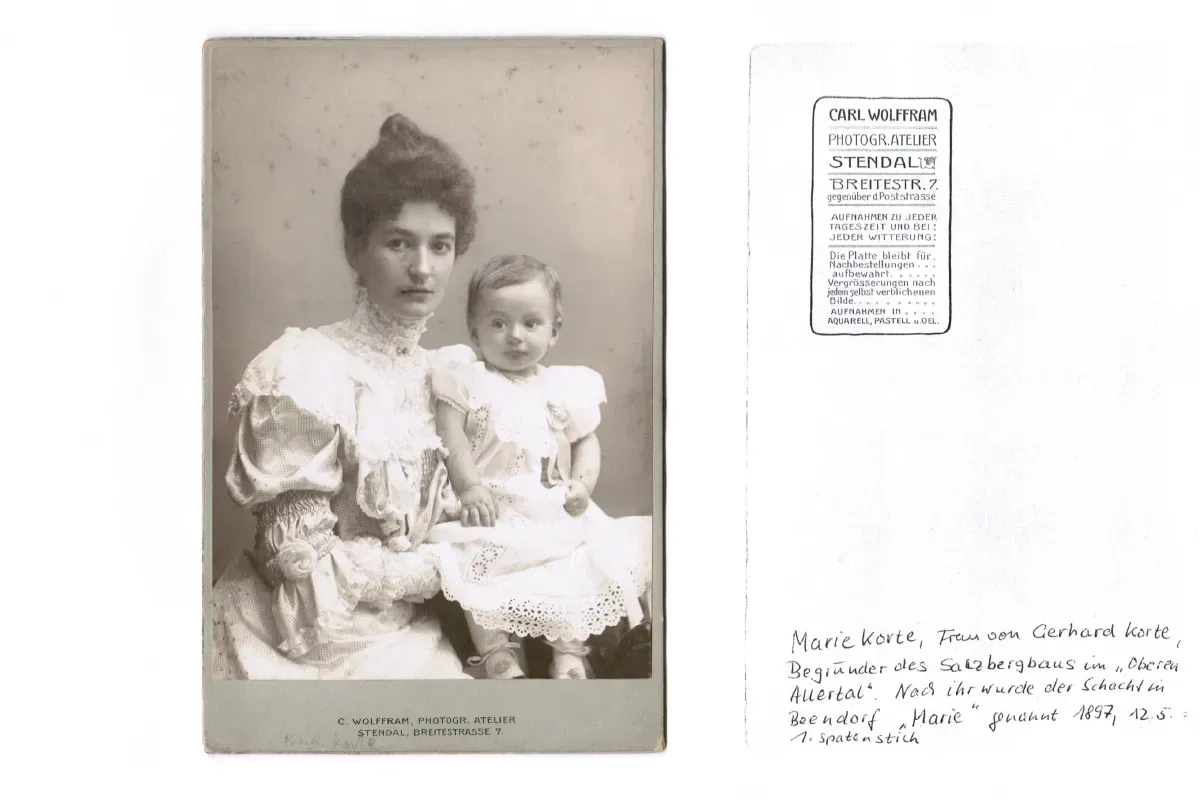
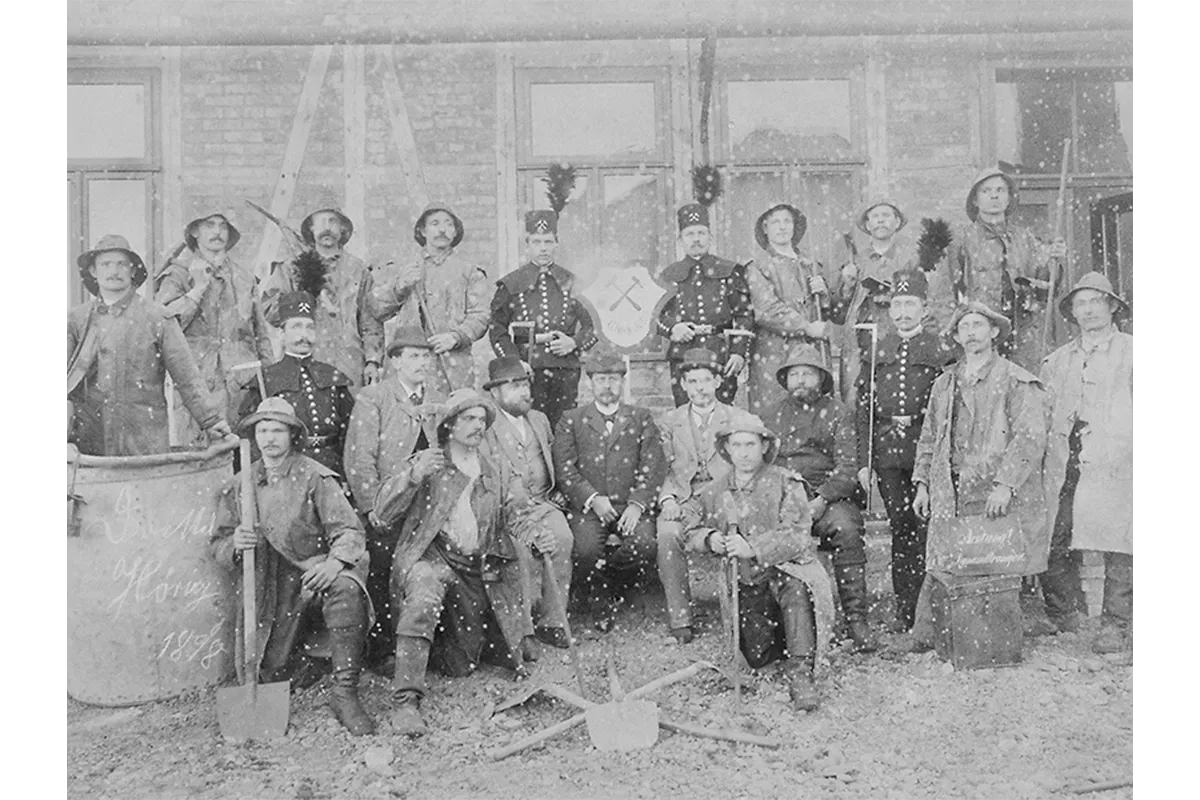
The history of the mine in Beendorf begins on 12 May 1897 with the drilling of the ‘Marie’ mine shaft. On 8 March 1910, an underground escape shaft connected to it was drilled two kilometres away: the ‘Bartensleben’ shaft in Morsleben.
You can click through the gallery using the arrows.
Chicken farming and nuclear waste storage
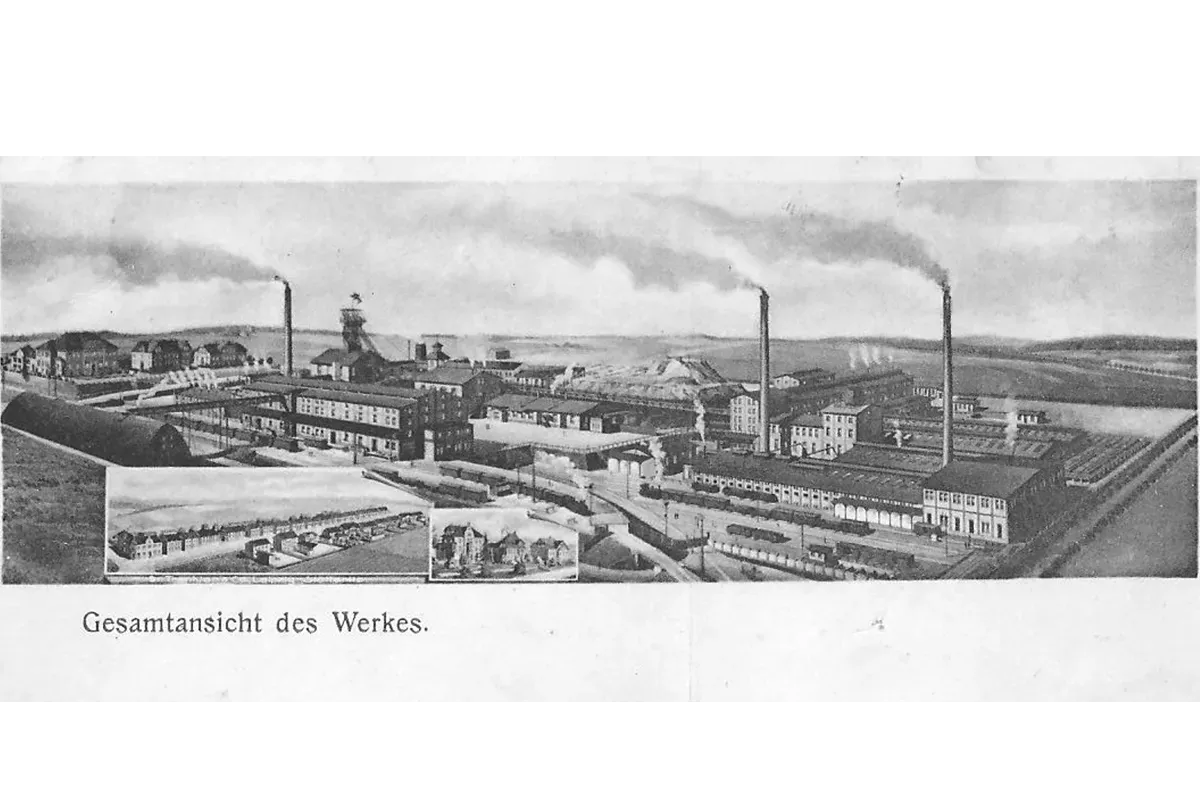
Mining operations at the Marie mine shaft were ceased as early as 1923. Since then, the mine has been used for various purposes.
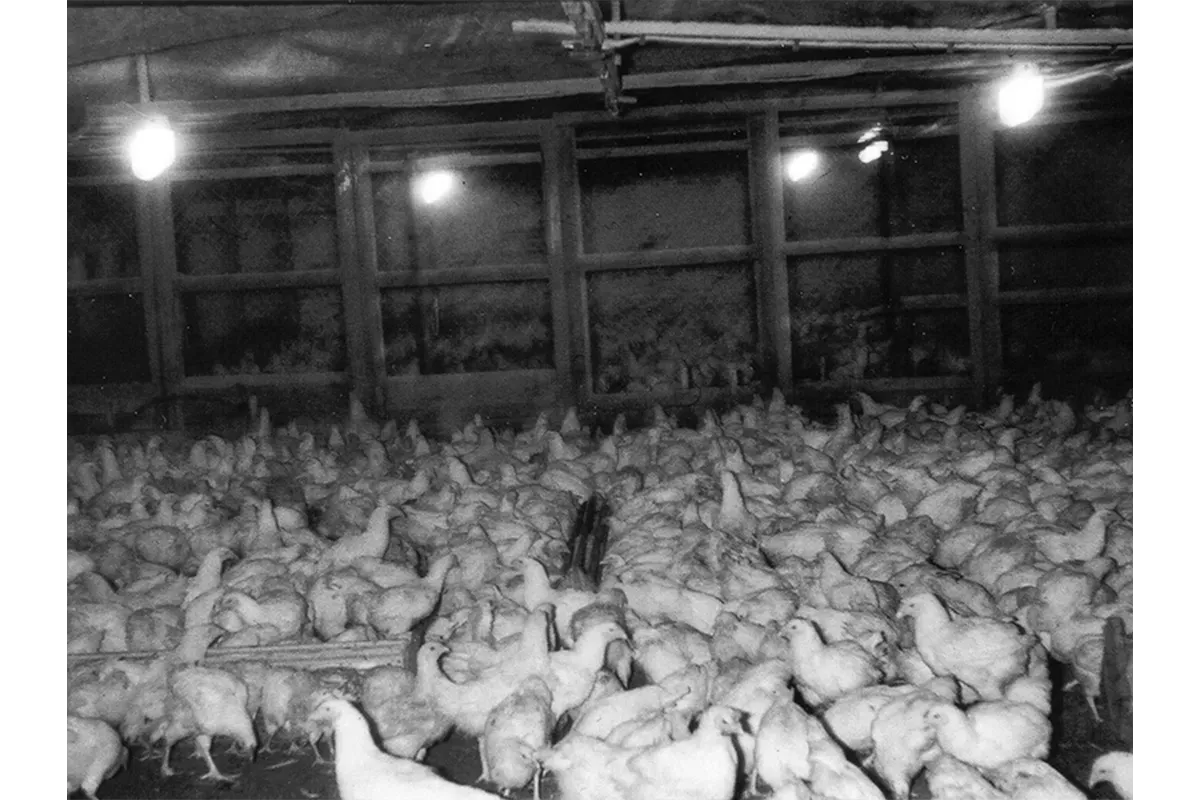
From 1959, the Marie shaft served as an underground chicken fattening facility. A few years later, from 1978 to 1998, radioactive waste was stored in the Bartensleben shaft.
Today, the two shaft complexes are managed by the Federal Company for Final Storage (BGE) as Germany’s sole final repository.
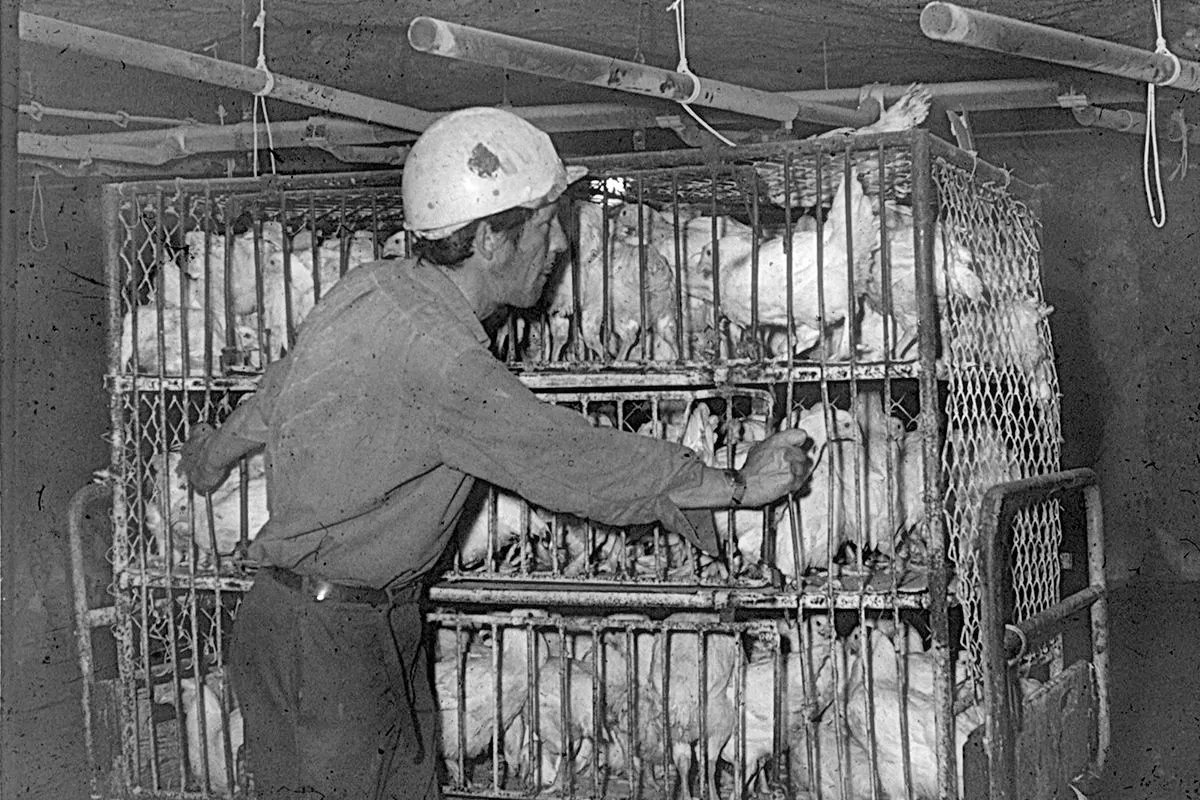
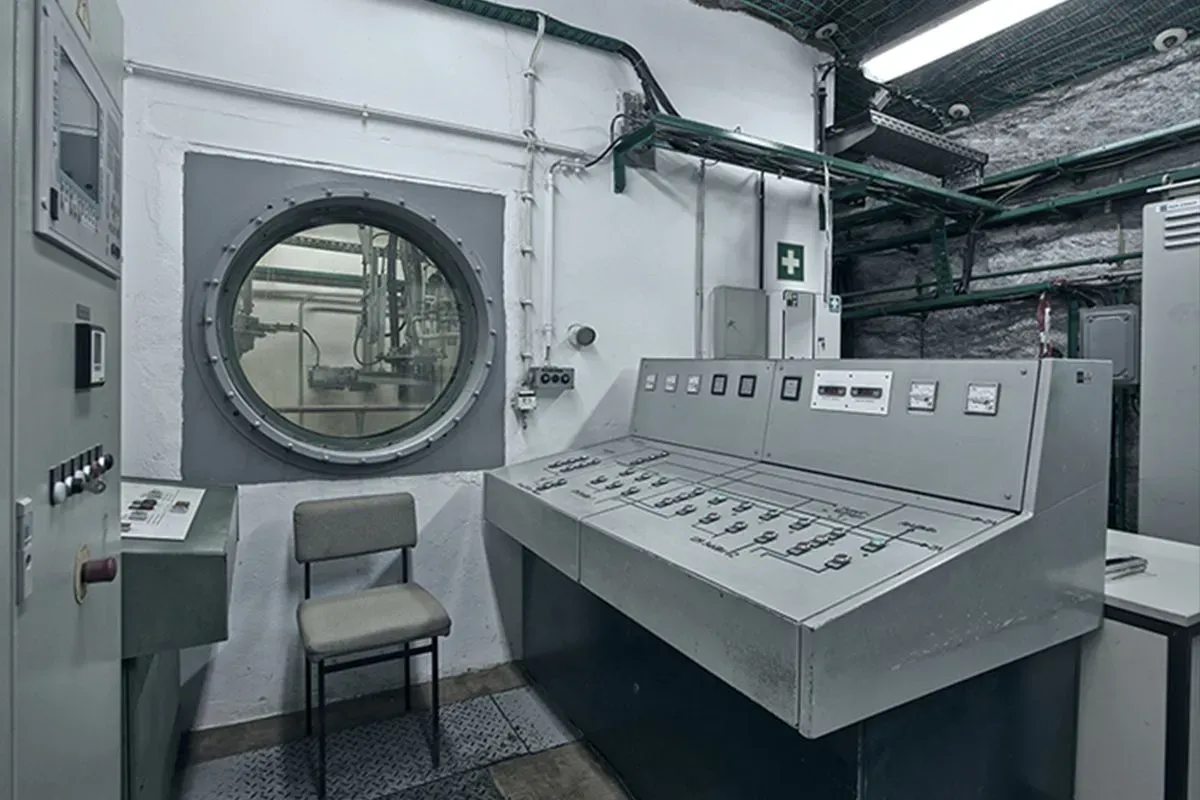
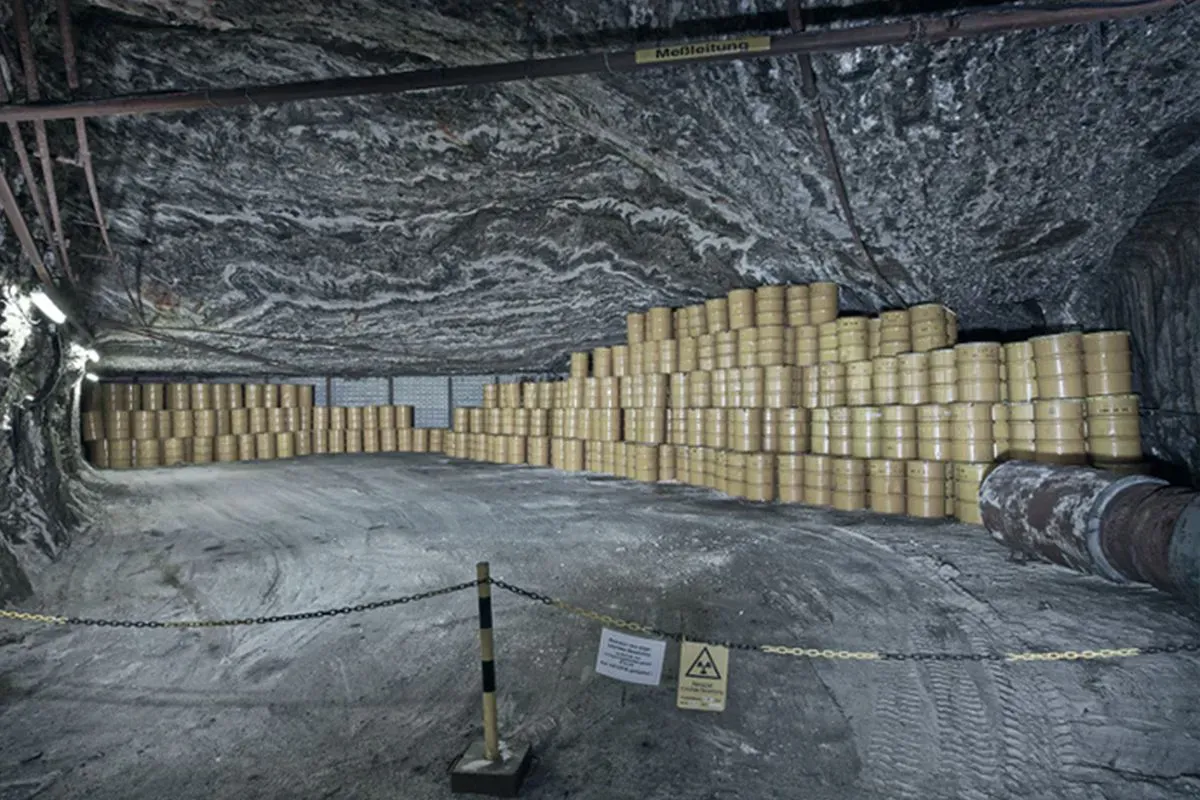
Beendorf Concentration Camp
On our tour, we will be looking at a particularly dark chapter in its history. From 1937 onwards, the now-decommissioned ‘Marie’ mine shaft was leased to the Wehrmacht and used as an ammunition plant.
From February 1944, both shaft complexes were converted into underground armaments factories.
Forced labourers were now to work here for the German war effort.
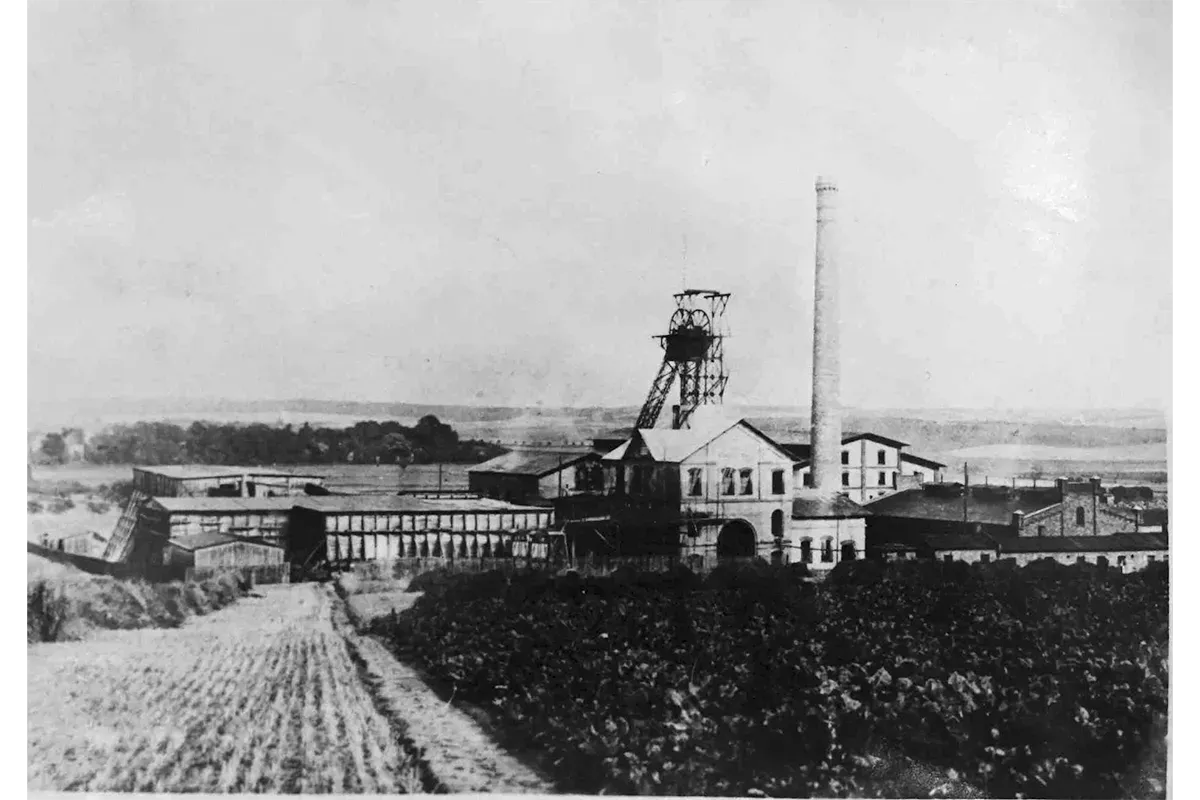
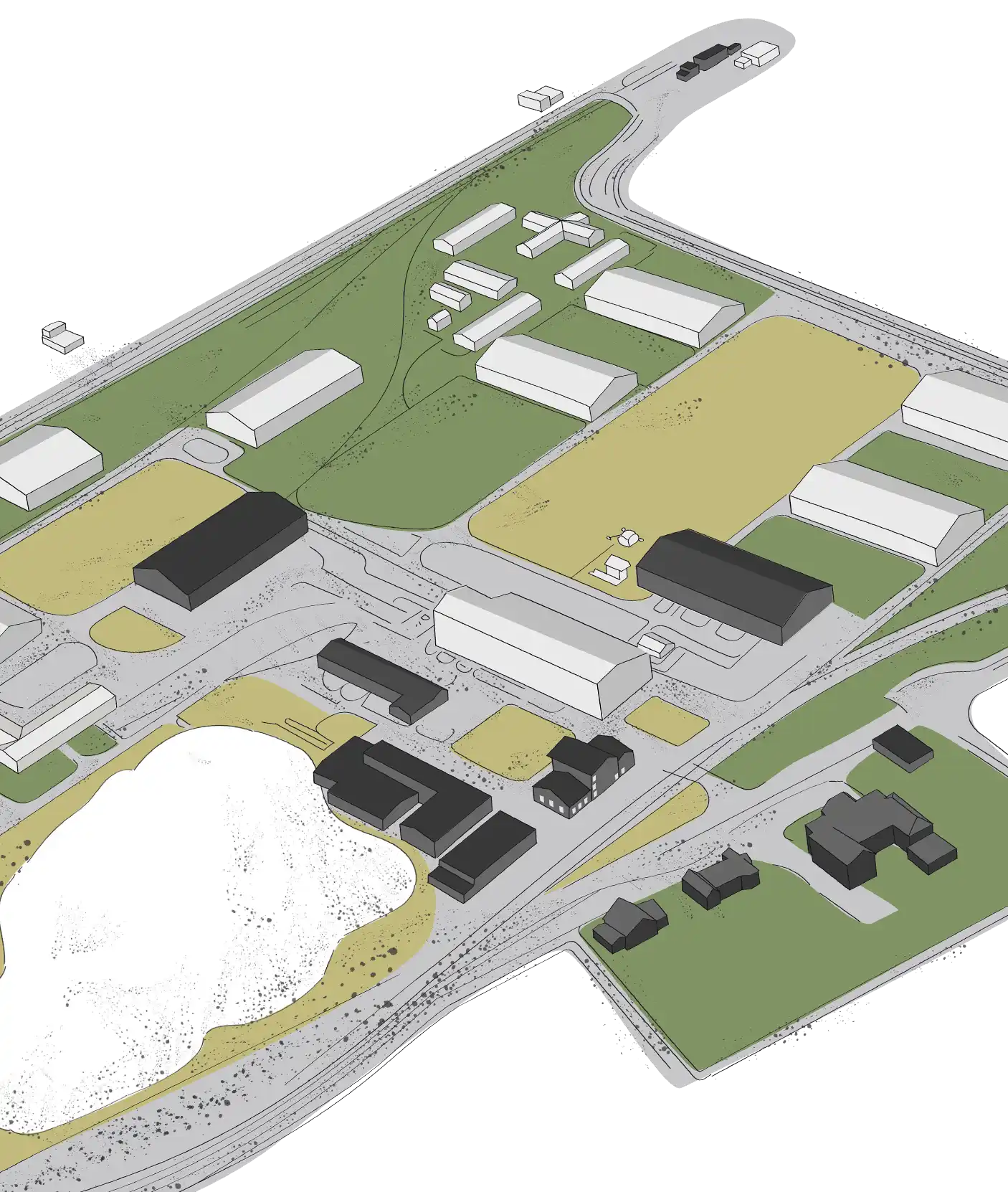
Shaft Marie
Originally, this was the mine’s administrative building; later, it housed parts of the administration for the Beendorf concentration camp and the munitions factory.
One of the forced labourers was Albert Rohmer, a French paediatrician. Initially, he was employed as a doctor in the camp; later, he too was forced to work in the mine. His memoirs have been preserved in writing. We shall hear an excerpt from his account.
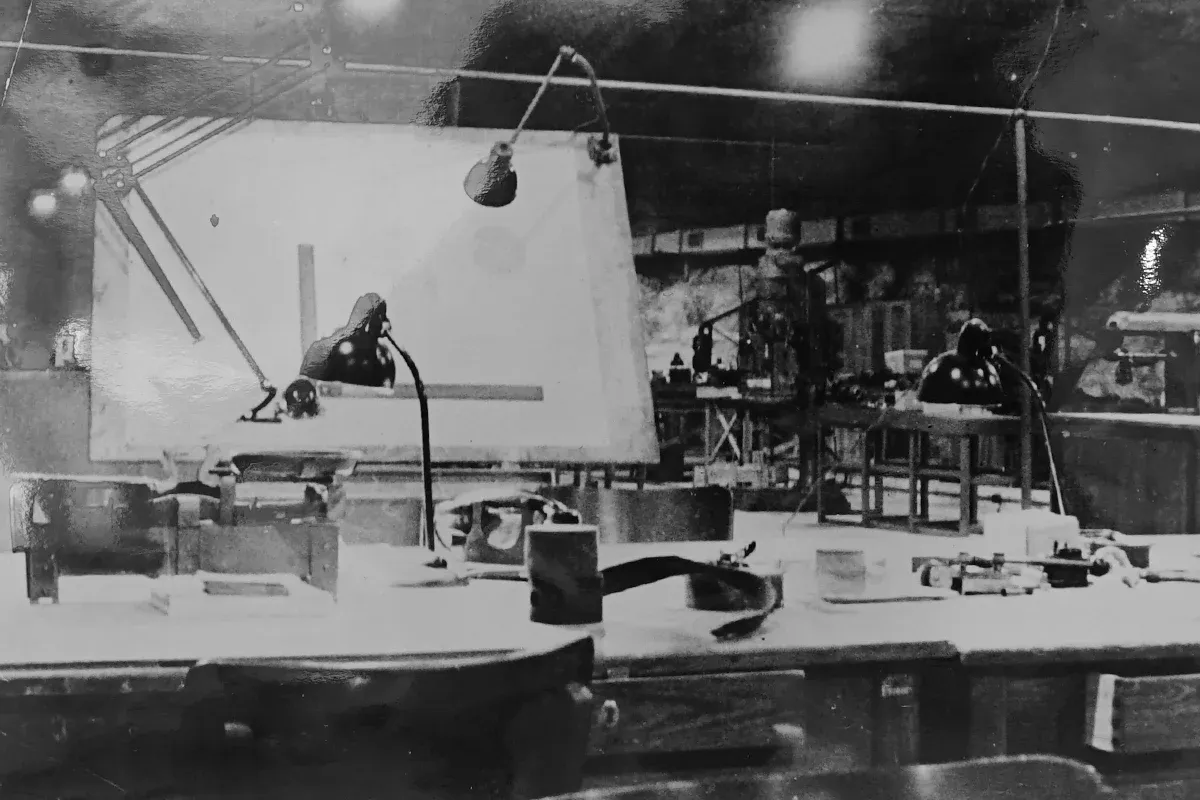
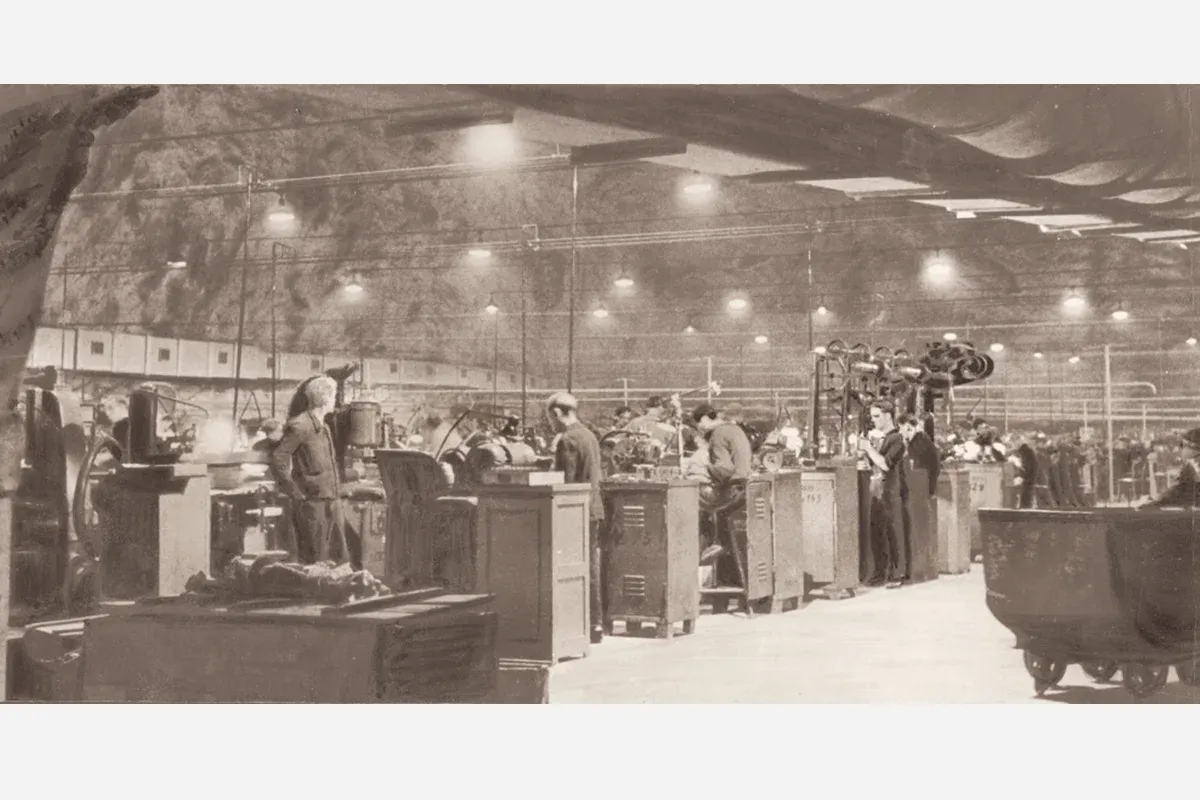
Countless eyewitness accounts describe just how gruelling the working conditions were, such as that of Eligia Piotrowska, who was abducted from Warsaw at the age of 18 for forced labour.
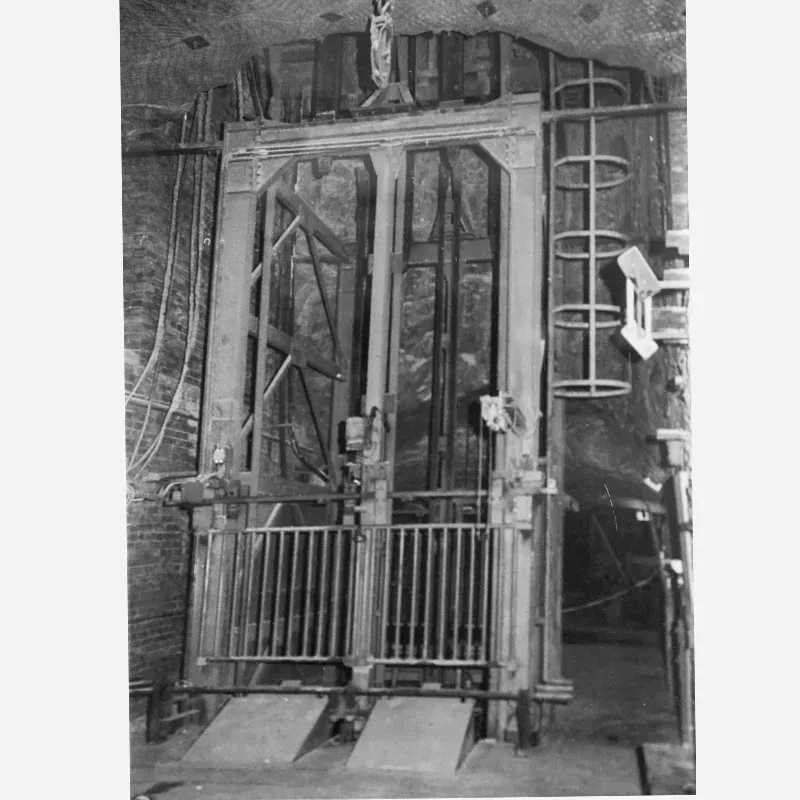
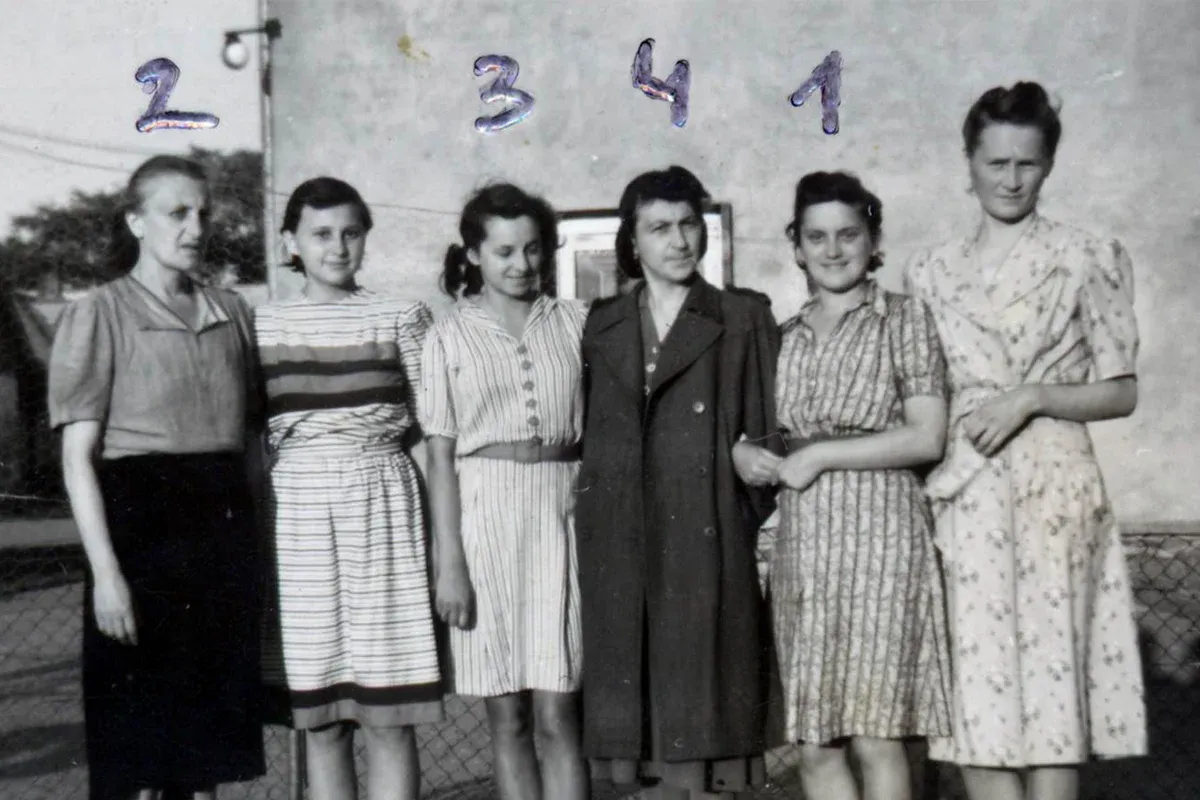
To manufacture the armaments by hand, the workers operated in shifts. In the memoirs, this work becomes a monotonous, horrific routine – as, for example, the Dutchwoman Antje van M. recalled.
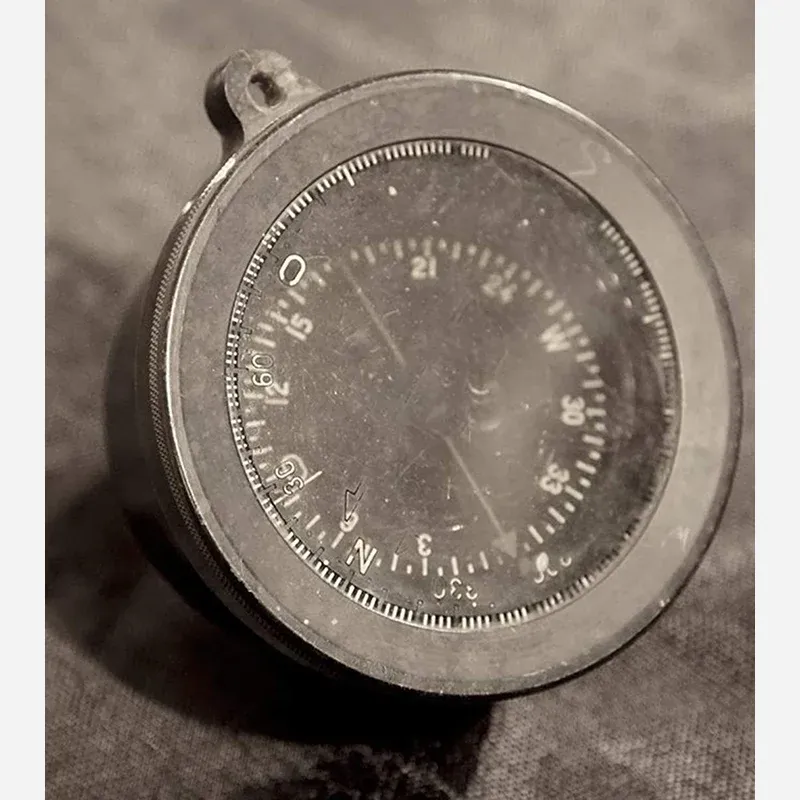
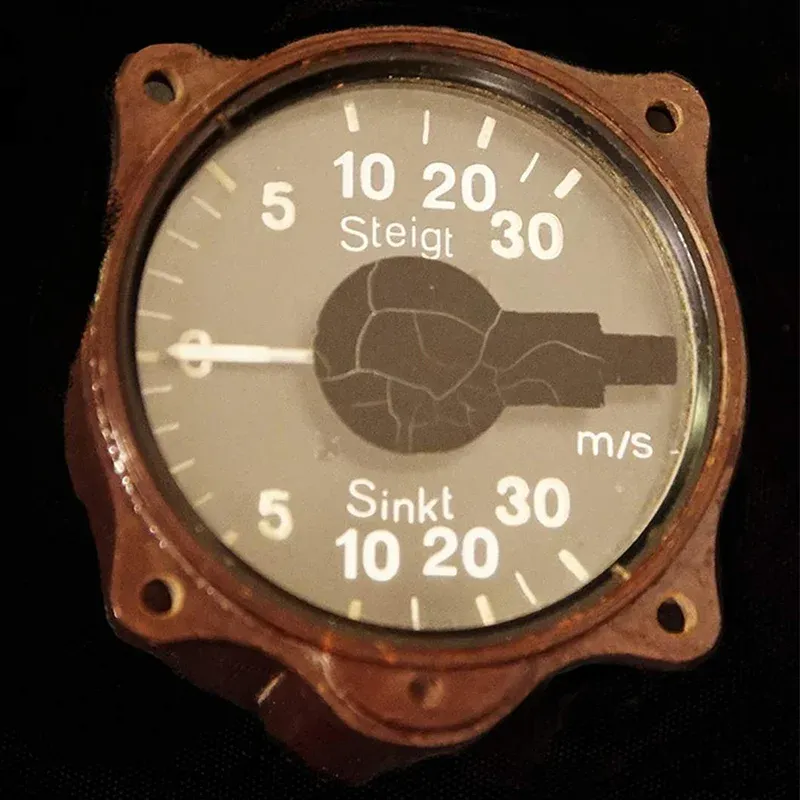
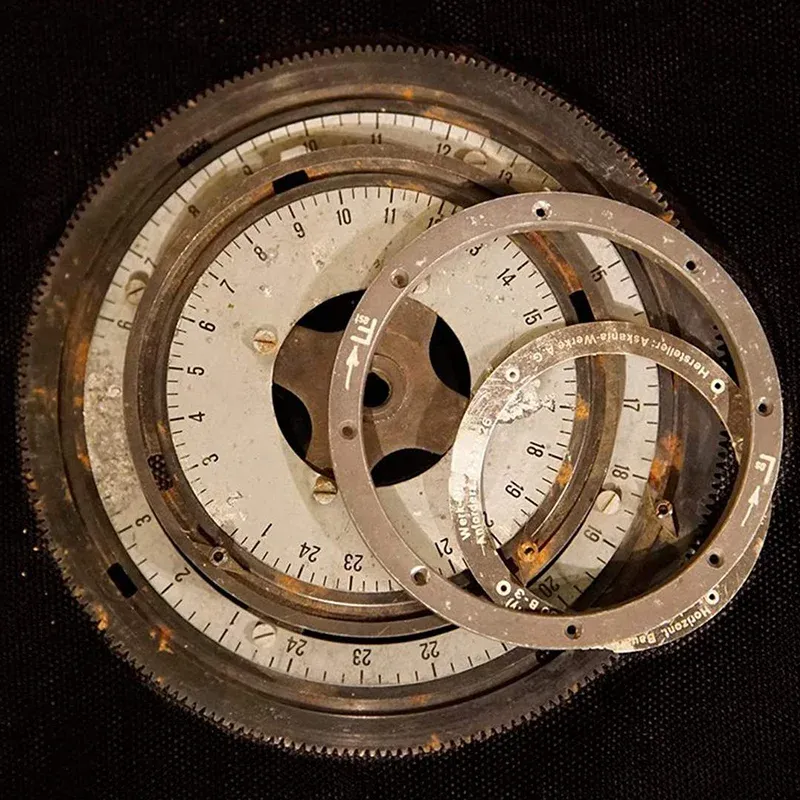
The Kaliberg
From 1937 onwards, 152 chambers, each measuring 18 by 22 metres, were excavated underground. The first forced labourers were already being deployed for this work at that time: initially 40–50 prisoners from Buchenwald concentration camp.
By 1944 at the latest, production facilities vital to the war effort were to be relocated underground as a matter of the utmost urgency to protect them from air raids. This led to a renewed and accelerated expansion of the mine complex.
Now the Kaliberg became a problem – the residues from potash production change their appearance with the weather:
When it rains, the hill looks like an ordinary mound of earth.
In sunshine, however, it begins to gleam white and becomes visible from the air.
Remnants of this camouflage, as well as mining material, still lie on the Kaliberg today – preserved over the decades in the potash residues.
Traces of another era, frozen in salt.
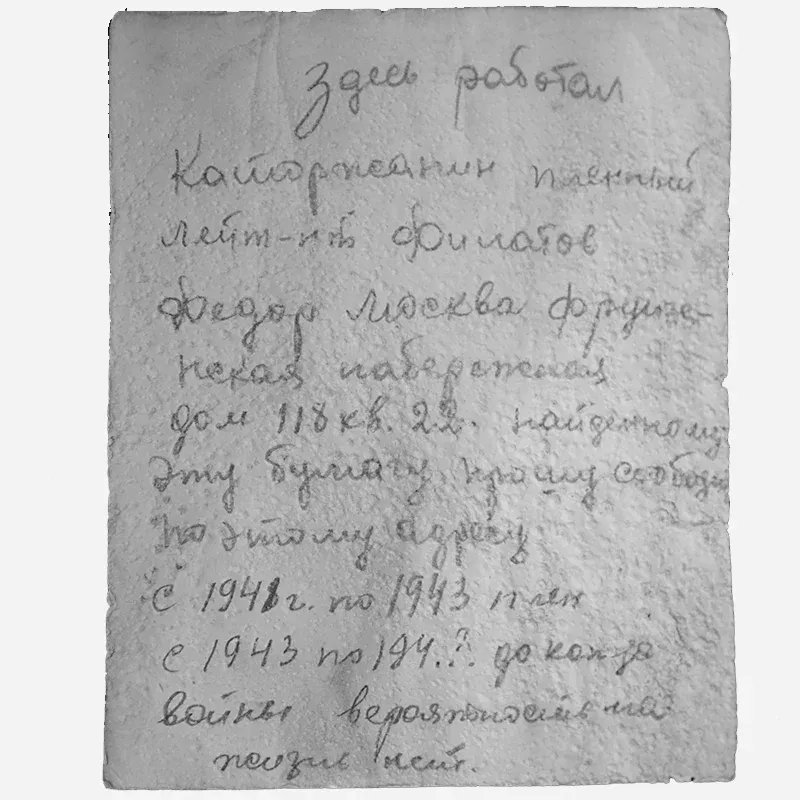
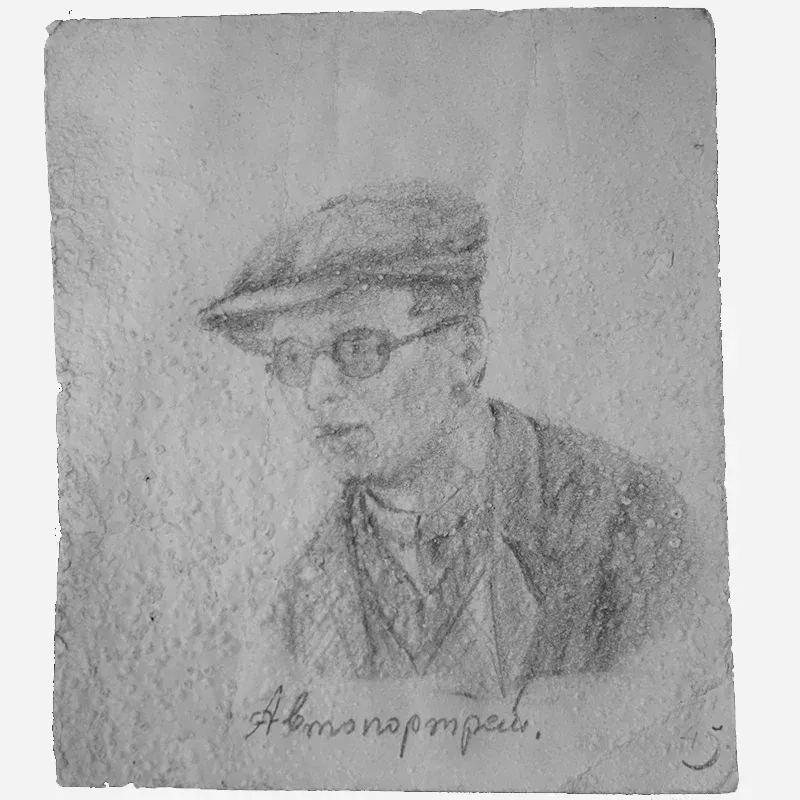
A letter
After the closure of the Beendorf concentration camp, a note was found here. It reads in Russian:
Forced labourer, prisoner
Lieutenant Filatov Fyodor, worked
here.
Moscow, Frunzenskaya Naberezhnaya,
House No. 18, Flat 22
I would ask the finder of this note to write to the above address.
Imprisoned from 1941 to 1943, forced labourer
from 1943 to 194? Chance of survival: none
Black Guard
The concentration camp’s guardhouse was called the Black Guardhouse. From here, SS troops controlled the concentration camp.
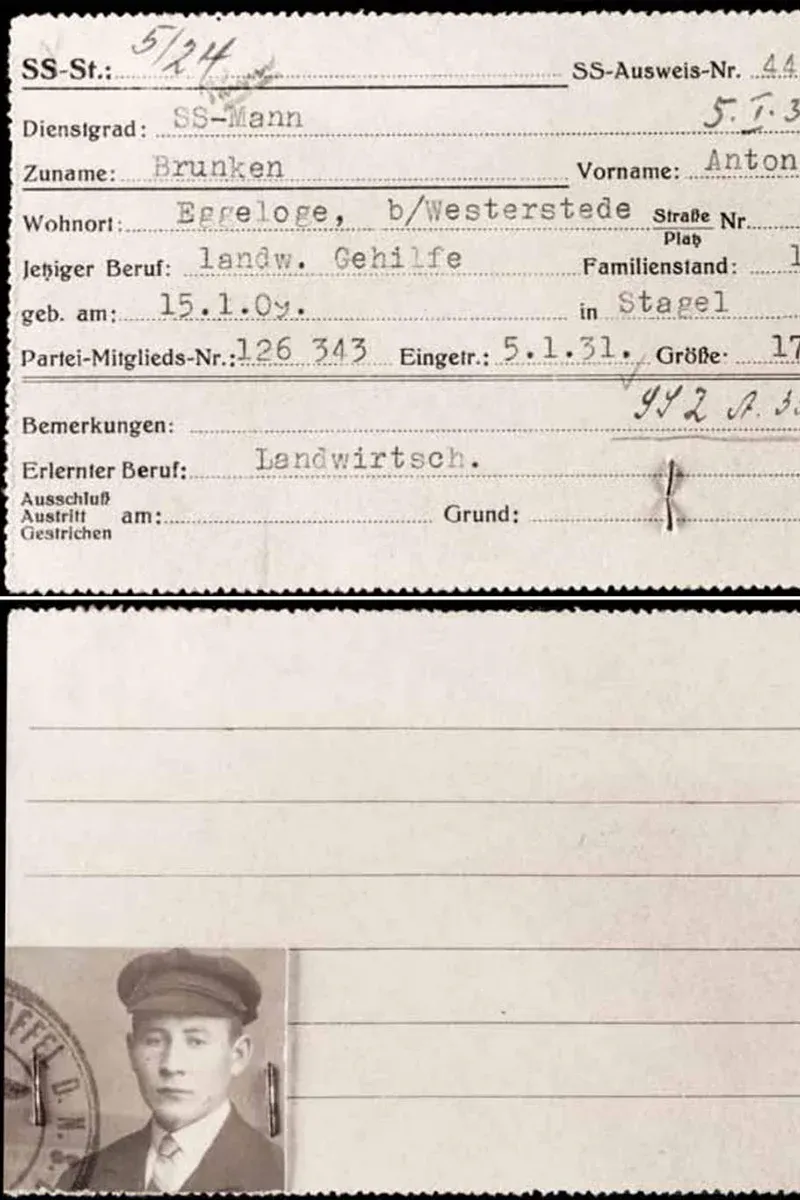
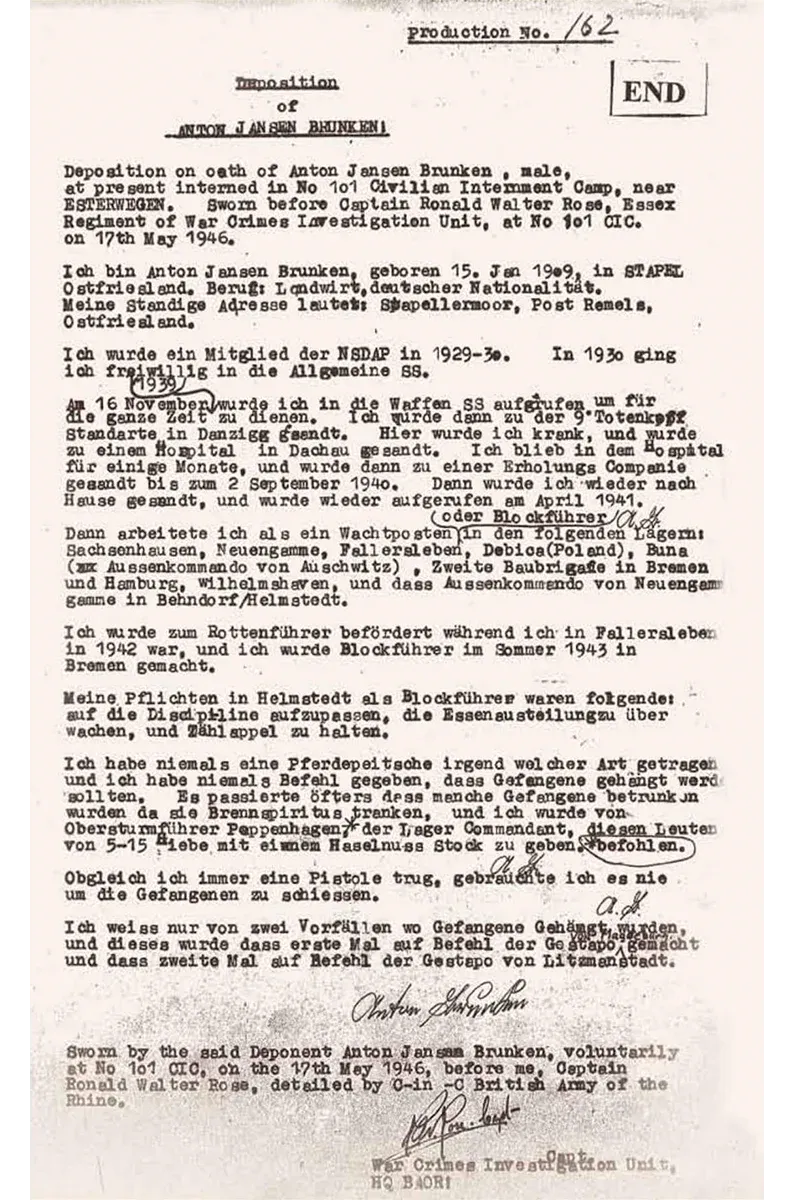
The camp commander was SS-Obersturmführer Gerhard Poppenhagen, a commercial clerk from Hamburg. The block and roll call leader was SS-Rottenführer Anton Jansen Brunken, a farmer from East Frisia.
The French doctor Rohmer describes them as contradictory personalities.
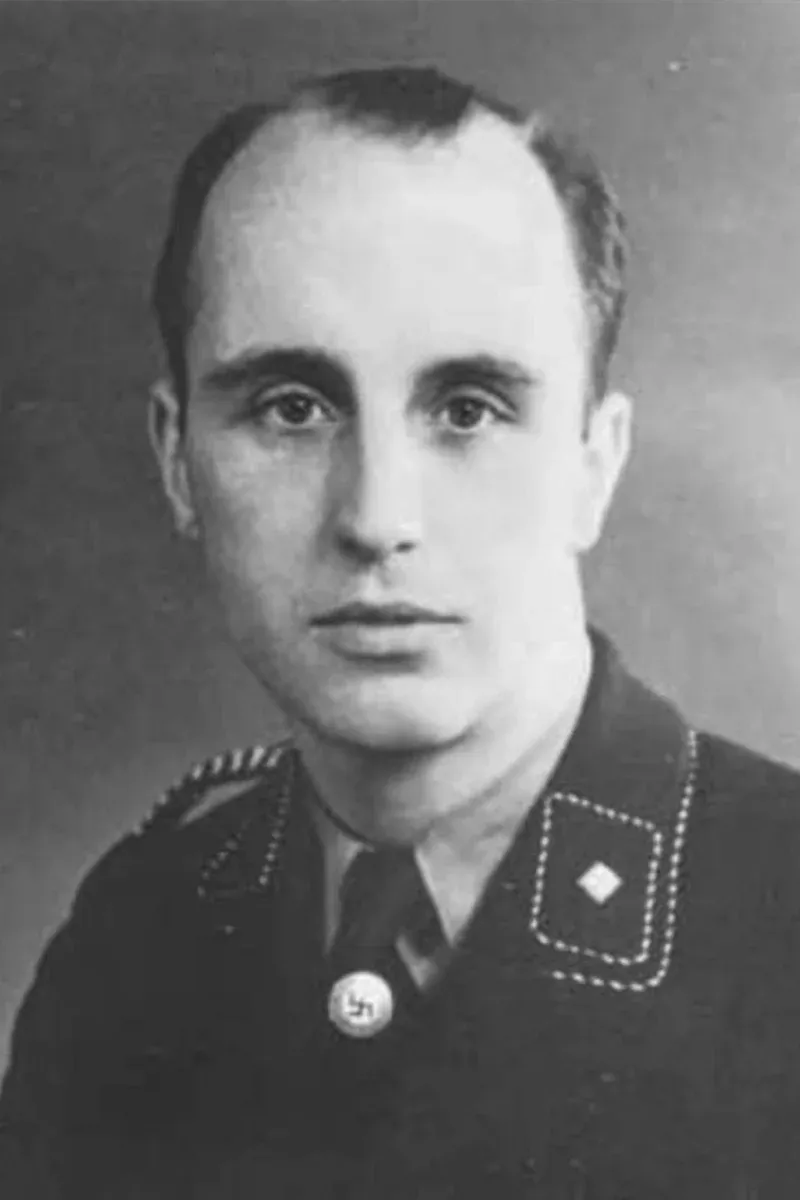
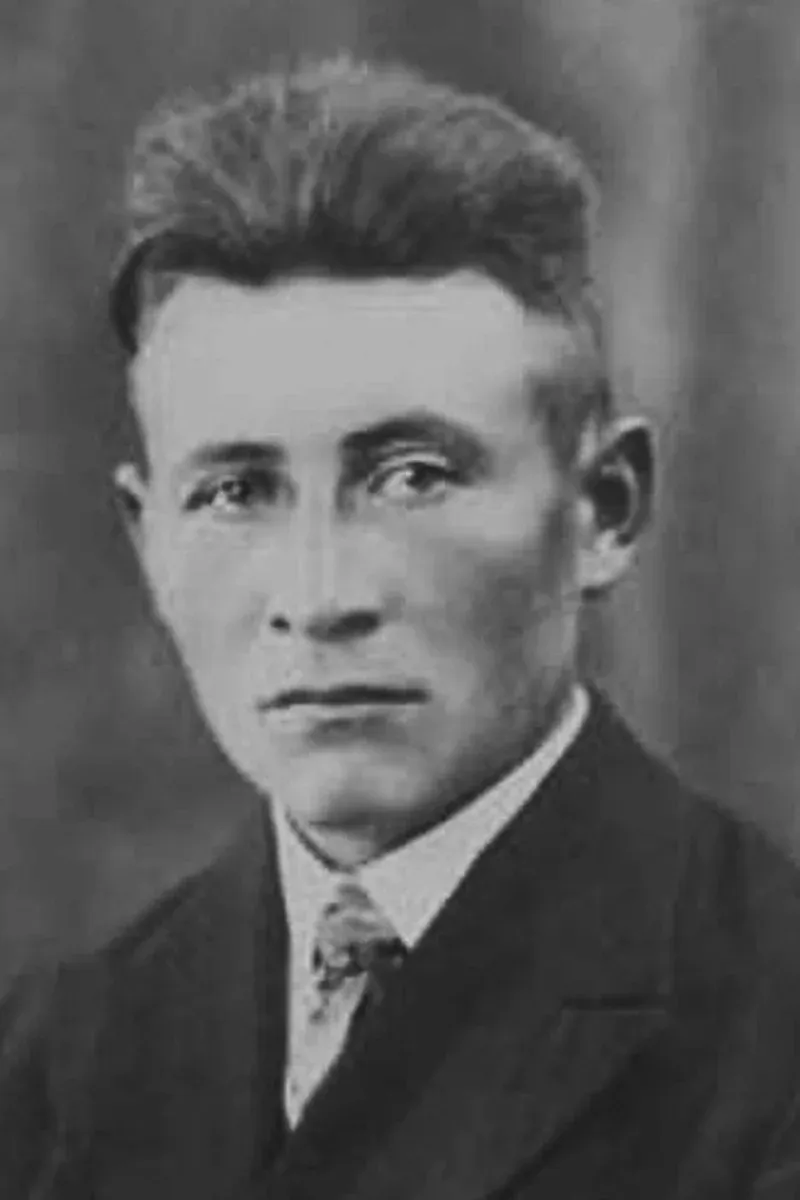
After the end of the war, camp commander Poppenhagen was sentenced to 15 years’ imprisonment.
SS-Rottenführer Brunken was sentenced to death by a military court for multiple counts of manslaughter.
Hall 15
Today, only “Hall 15” remains. To the south stood two identical halls. These three halls housed up to 4,000 forced labourers at times.
Krystyna Razinska described the conditions in Hall 13.
The halls were two-storeyed: 1,500–2,000 prisoners in Hall 13. The men on the ground floor, the women on the first floor.
The Jewish women were housed in Hall 14.
The beds were used in shifts. From a report by Erna Dohse.
A report by a forced labourer named Josef Polaček gives an idea of what happened during an escape attempt.
Beendorf railway station
The station has since been closed down. This is where the forced labourers arrived when they were brought to Beendorf, and from here they were transported away again as Allied forces approached Beendorf.
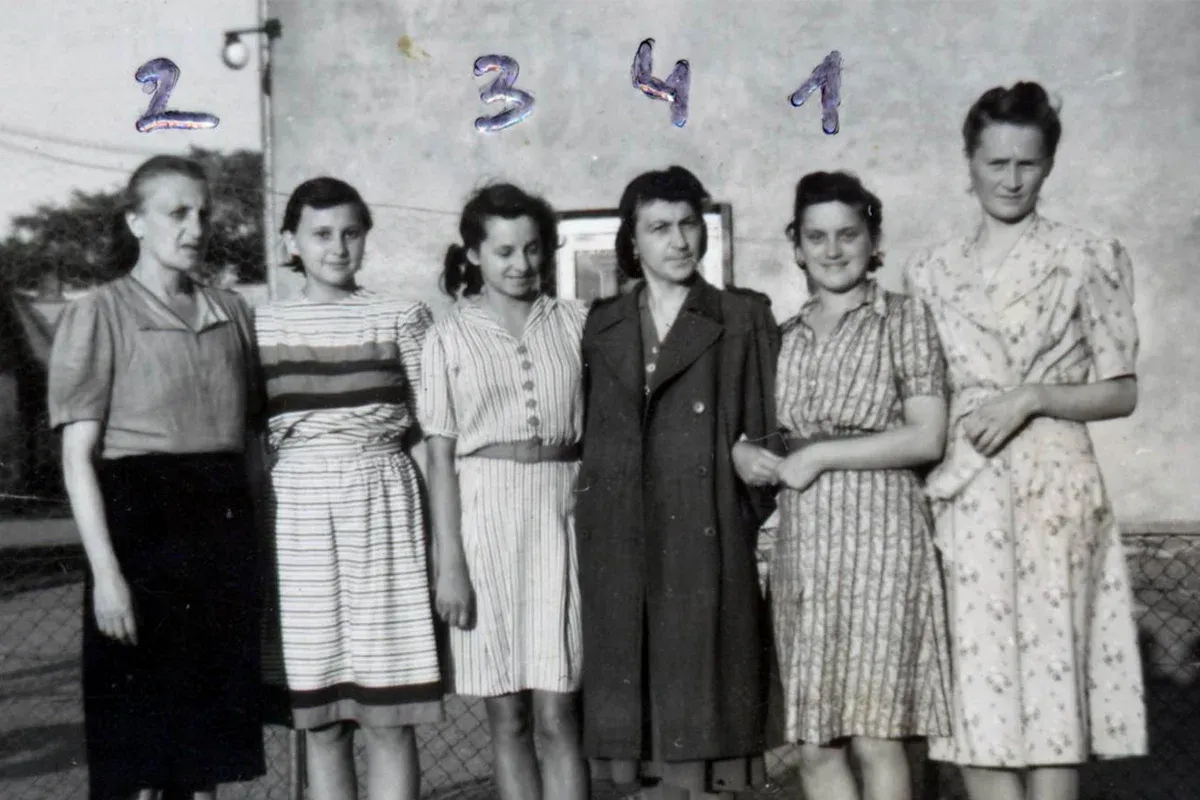
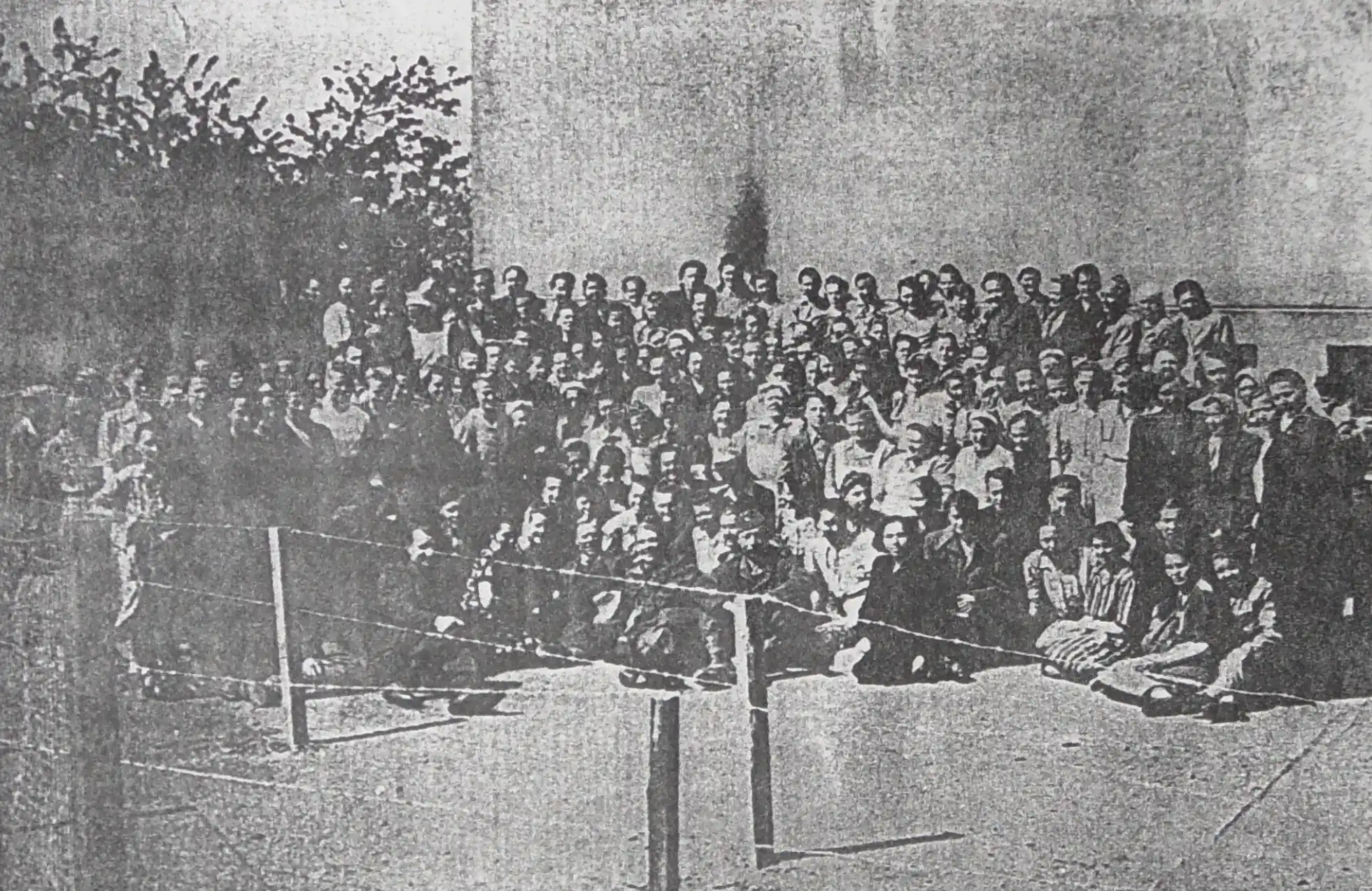
On 9 April 1945, 1,350 men and over 3,000 women were forced into 40 railway carriages and sent on a journey lasting several days. For the women, the journey took them via Wöbbelin to Hamburg, where they did not arrive until 21 April 1945.
Eligia Piotrowska recalls this “death march”.

You have visited all the stops on our Grenzwandler tour
“Bulldog and Polecat”.
A journey to a place where
history has not passed,
even if its traces are fading.
What happened here was decided,
organised and carried out by people.
It is our duty to remember this and
not to forget.