

Near Salzwedel, the Grenzwandler searches for the remains of a village that had to disappear because it stood in the wrong place.
Scroll down to begin.
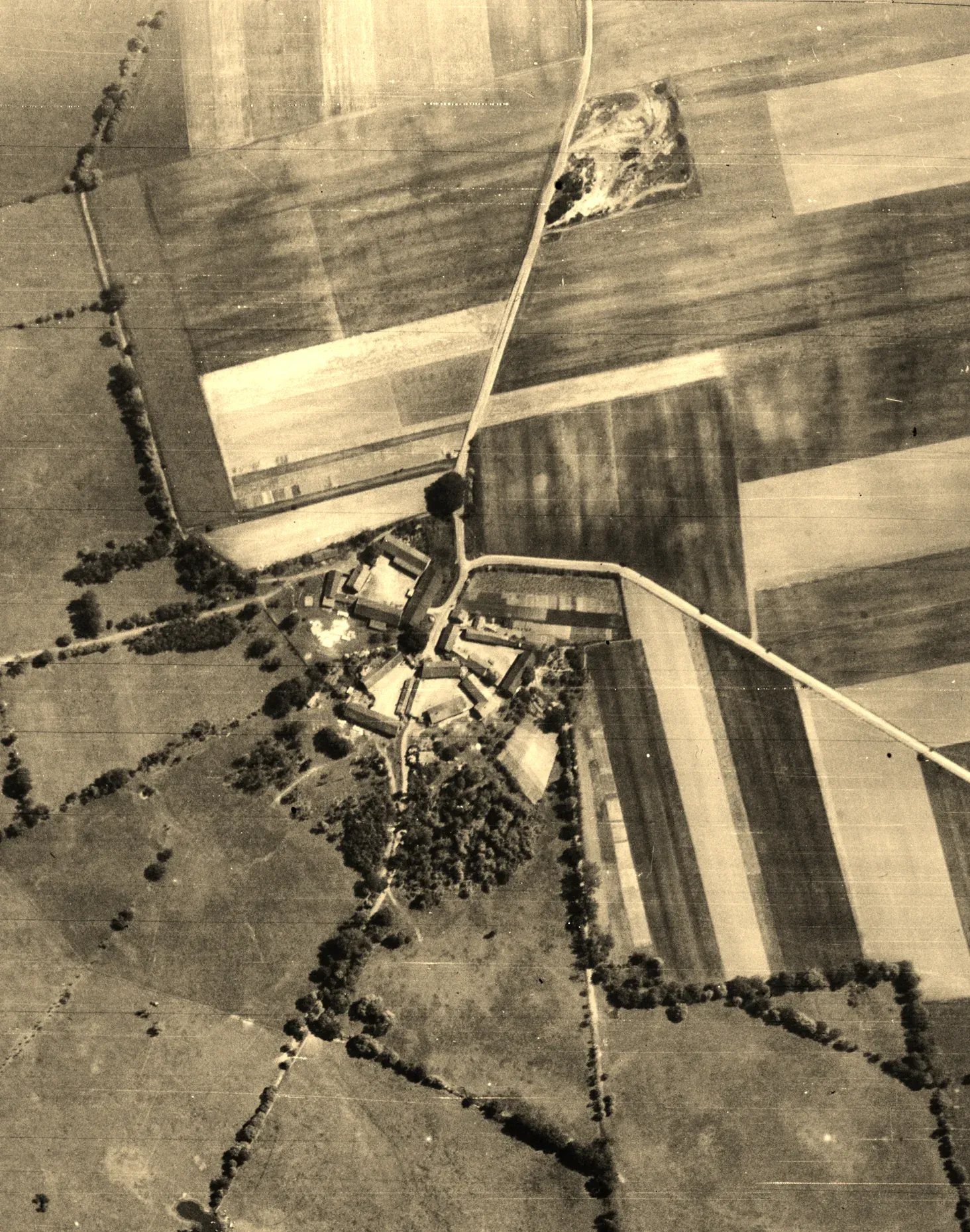
This photograph from 1948 shows Jahrsau from the air: a small church, six farmsteads, 39 inhabitants. In 1975, the village would have celebrated its 600th anniversary.
But Jahrsau was torn down and became a deserted village.
And like Jahrsau, around 200 villages in the GDR were bulldozed because they lay too close to the former inner-German border.
What kind of village once stood here?
There is hardly anyone who has done more to research the history of this place than Jürgen Starck.
Almost like an archaeologist, he tries to find meaning in the traces and remains of the deserted village of Jahrsau.
My name is Jürgen Starck.
I live here in the Altmark, in the small village of Binde,
and I have been looking after the Green Belt for well over 20 years
here in the Elbe, Altmark and Wendland region.
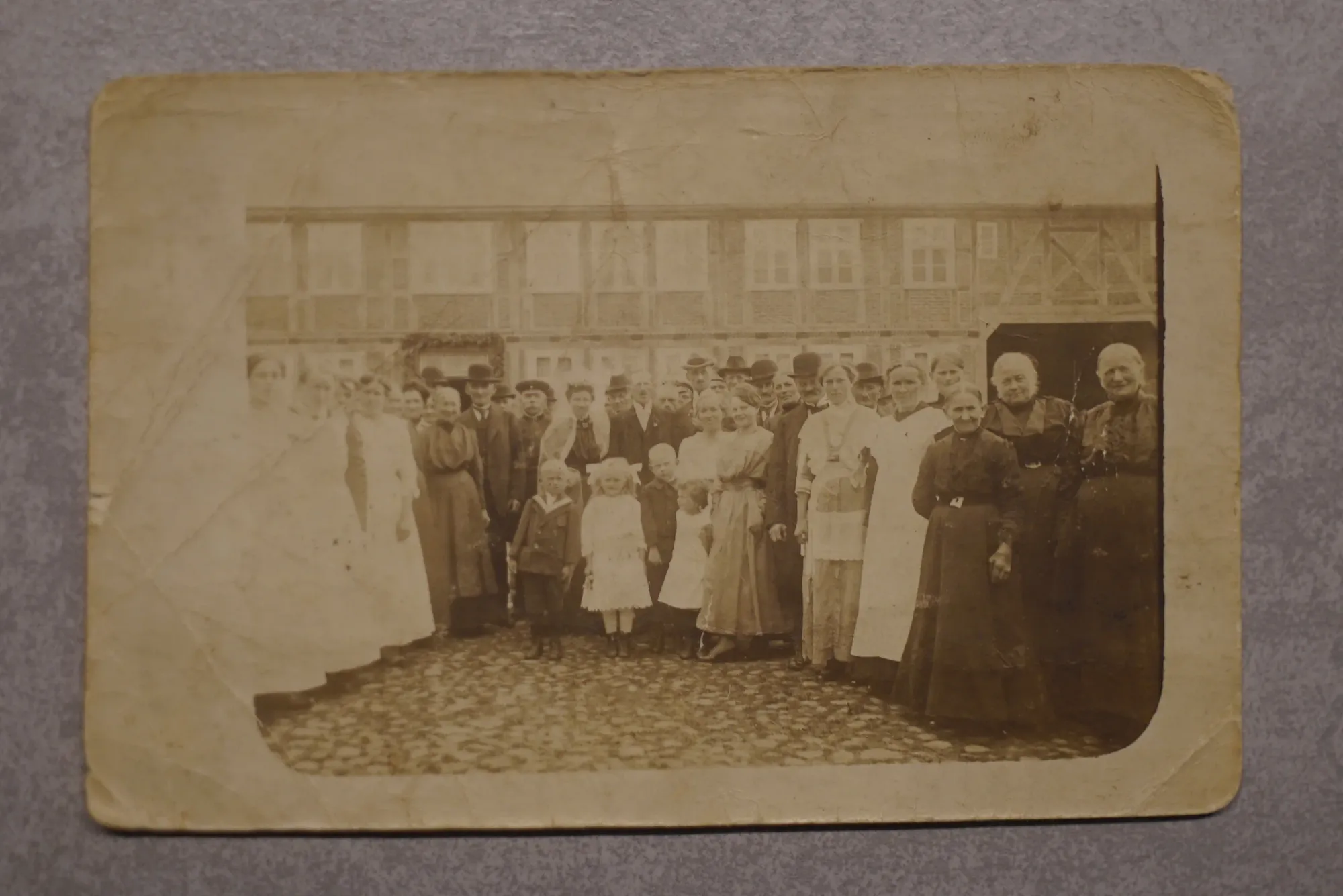
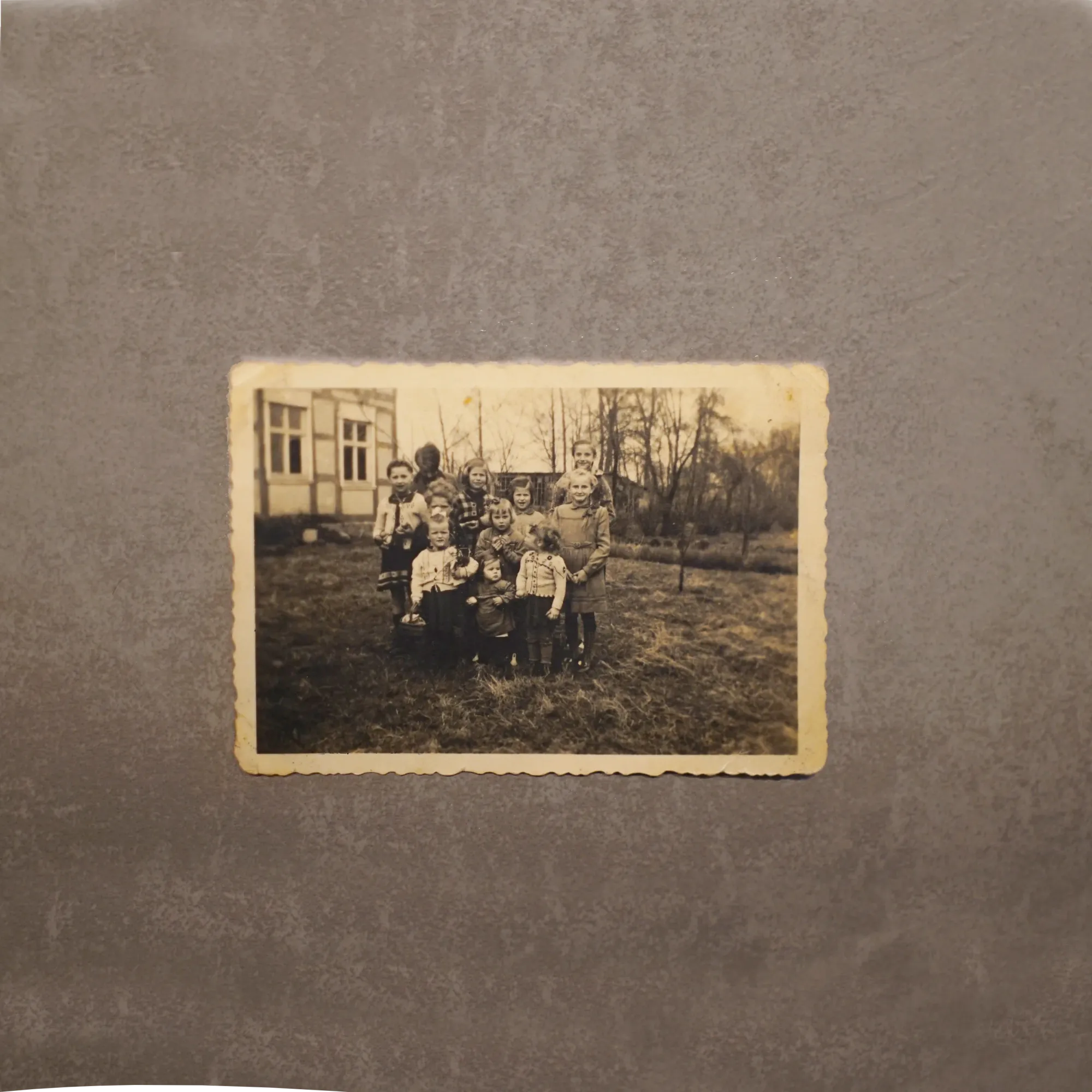
In 1946 a census was held in Jahrsau. It counted 39 people in 5 houses: 19 permanent residents and 20 refugees from Silesia and East Prussia.
Among them were nine children.
One of them was Friedel Schäfer.
We all lived in one house. And the kitchen was the heart of it all. That’s where we’d all gather together.
Ah, those were the days … Even though Jahrsau was just a tiny little village.
But you're attached to it. You were born there, you grew up there. But oh well.
From 26 May 1952, the GDR leadership sealed off the border. Along the entire inner-German border, a 500-metre-wide “protective strip” was created.
Jahrsau lay right inside this protective strip.
On the morning of 6 June 1952, the forced resettlements began. Three of the four farming families were deported within a single day.
You’re attached to the few possessions you have.
And then, all of a sudden, you have to leave.
In the morning you’re still tending to your livestock, and at midday a lorry turns up and says: ‘Off you go, you’ve got to leave.’
Just imagine that.
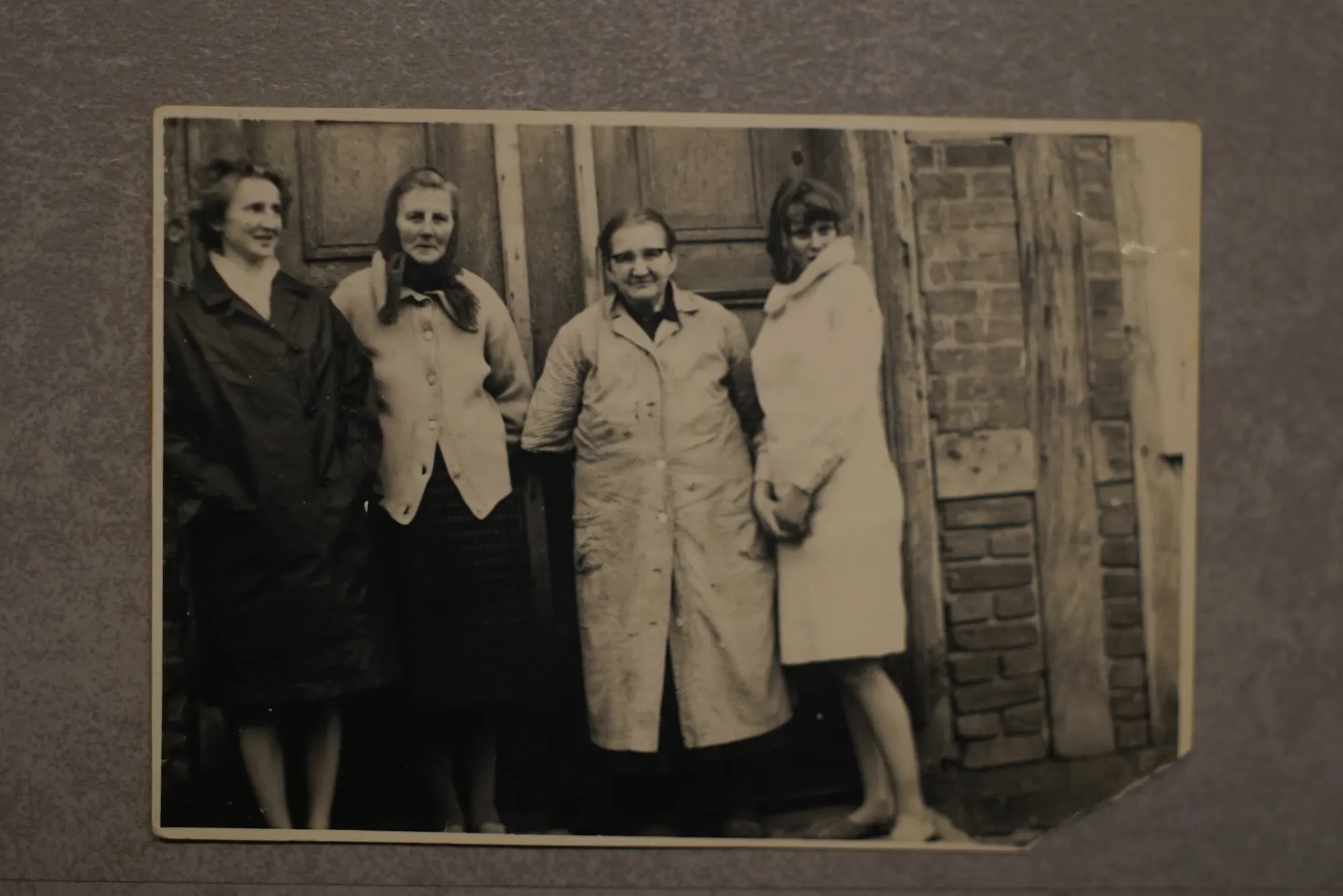
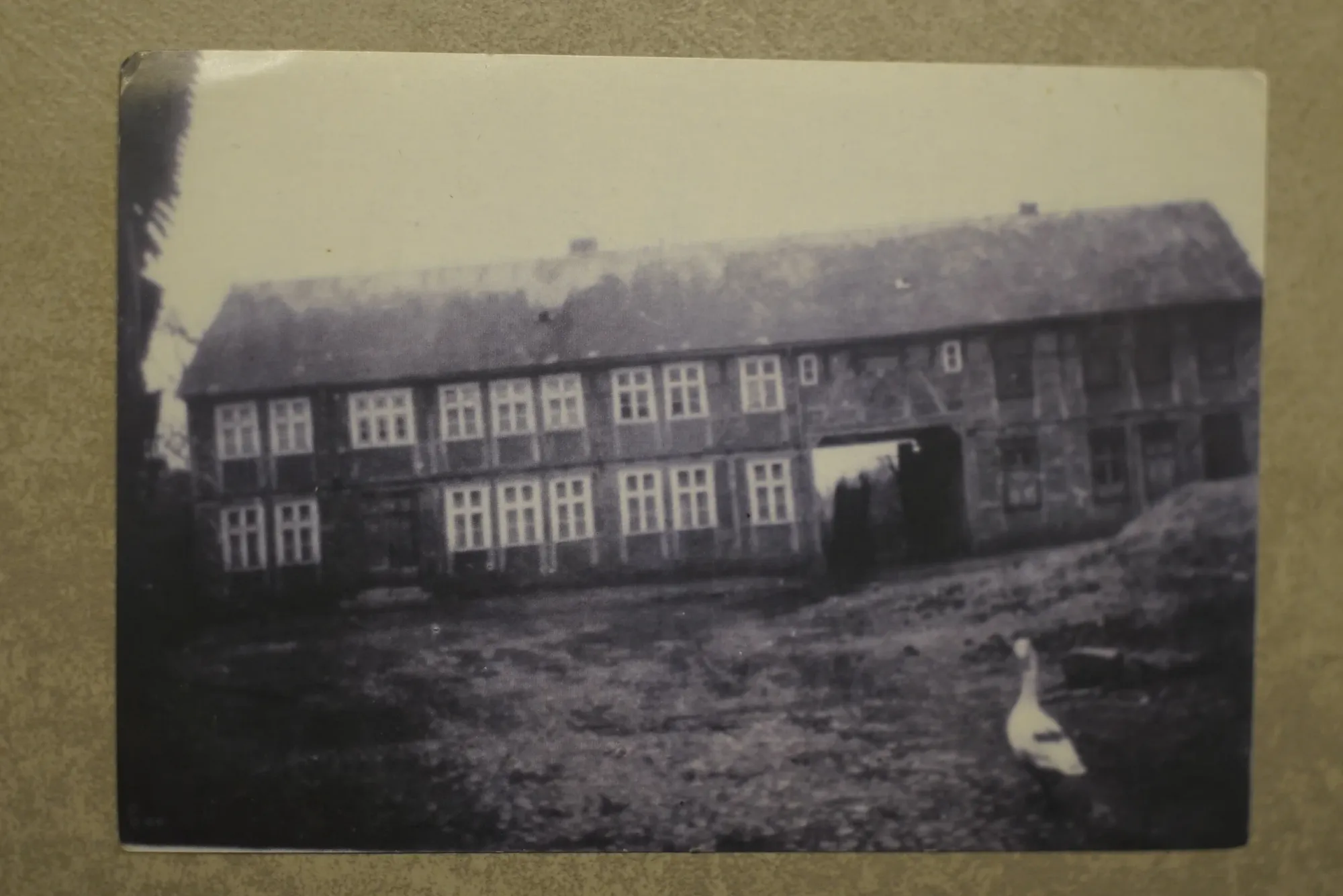
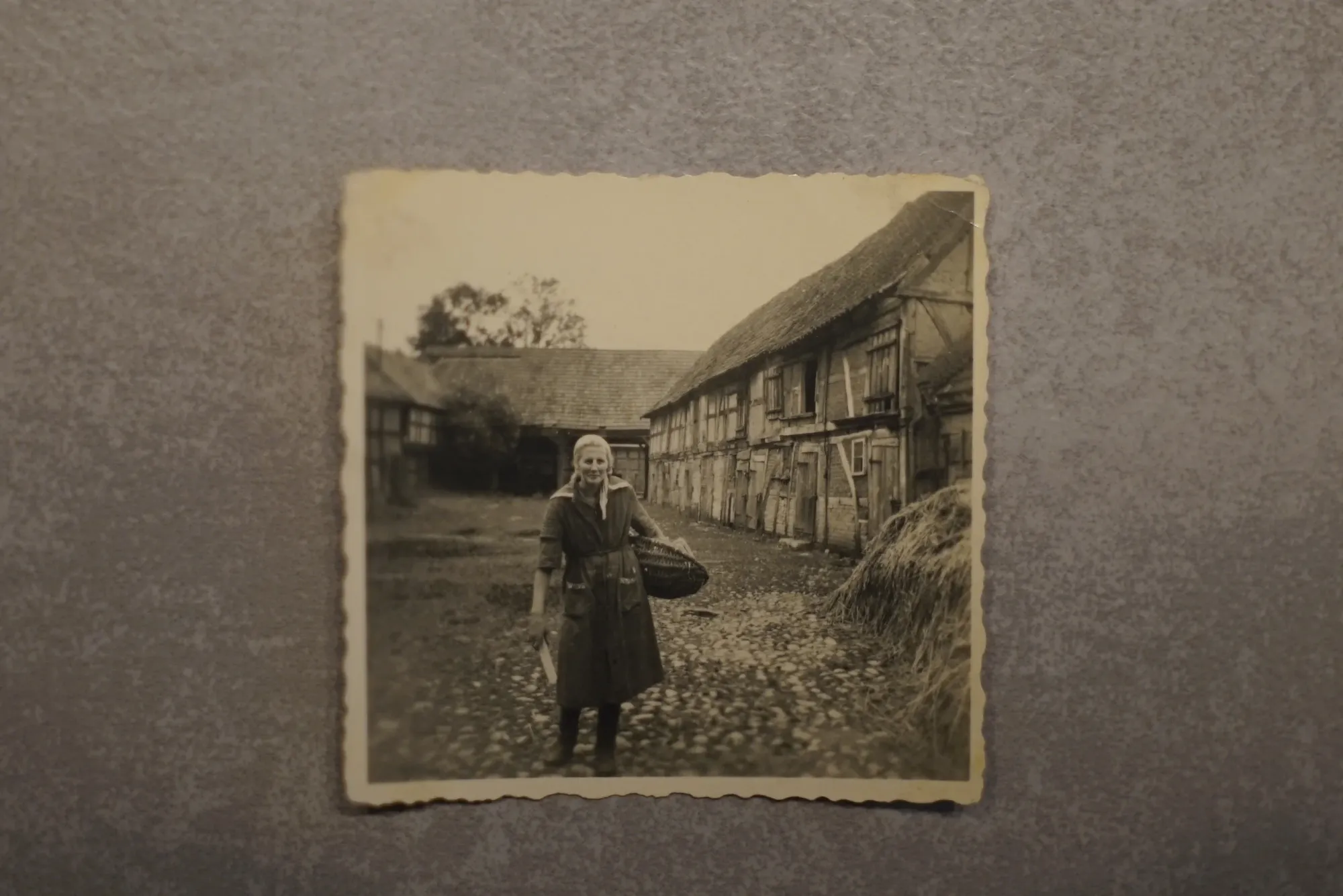
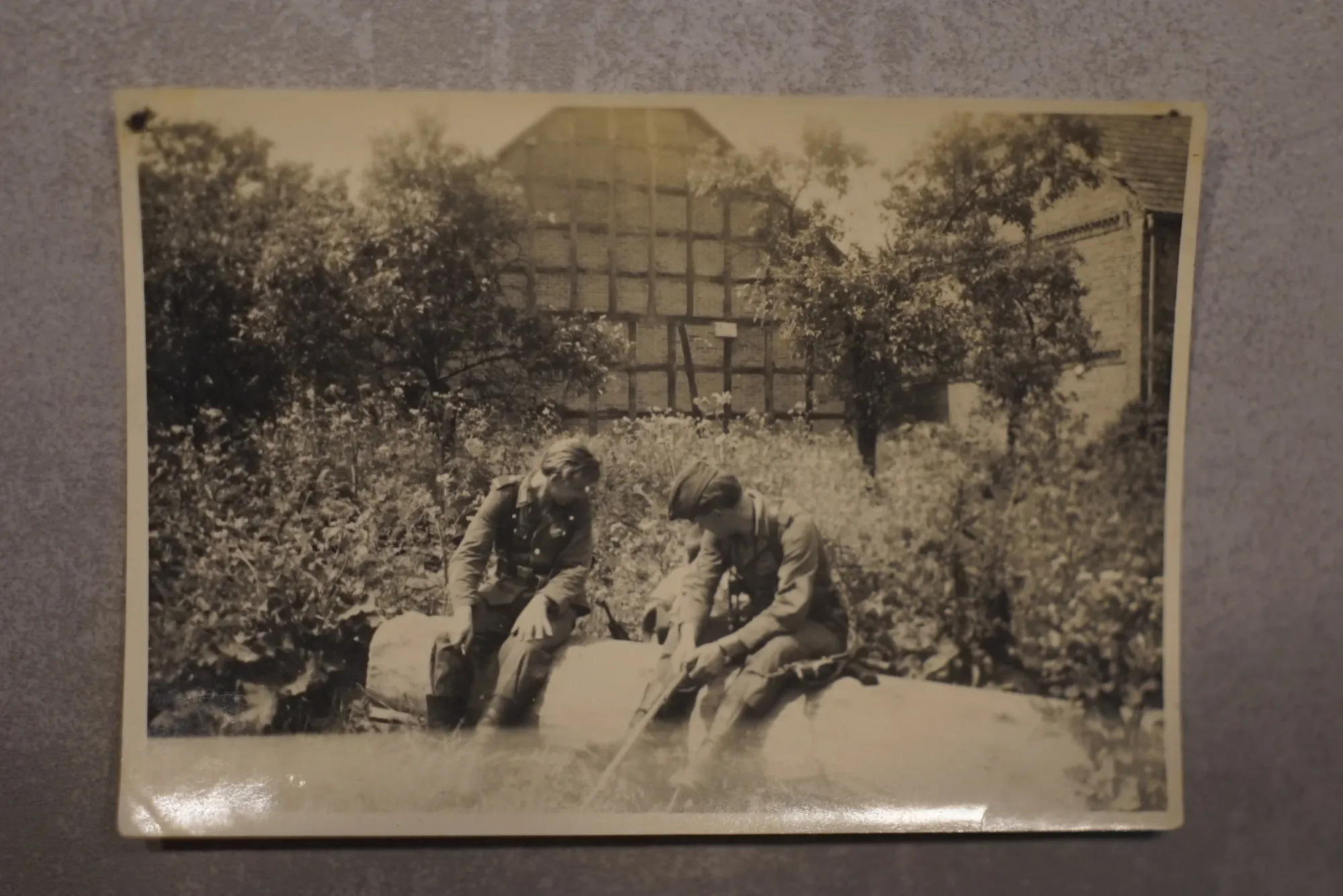
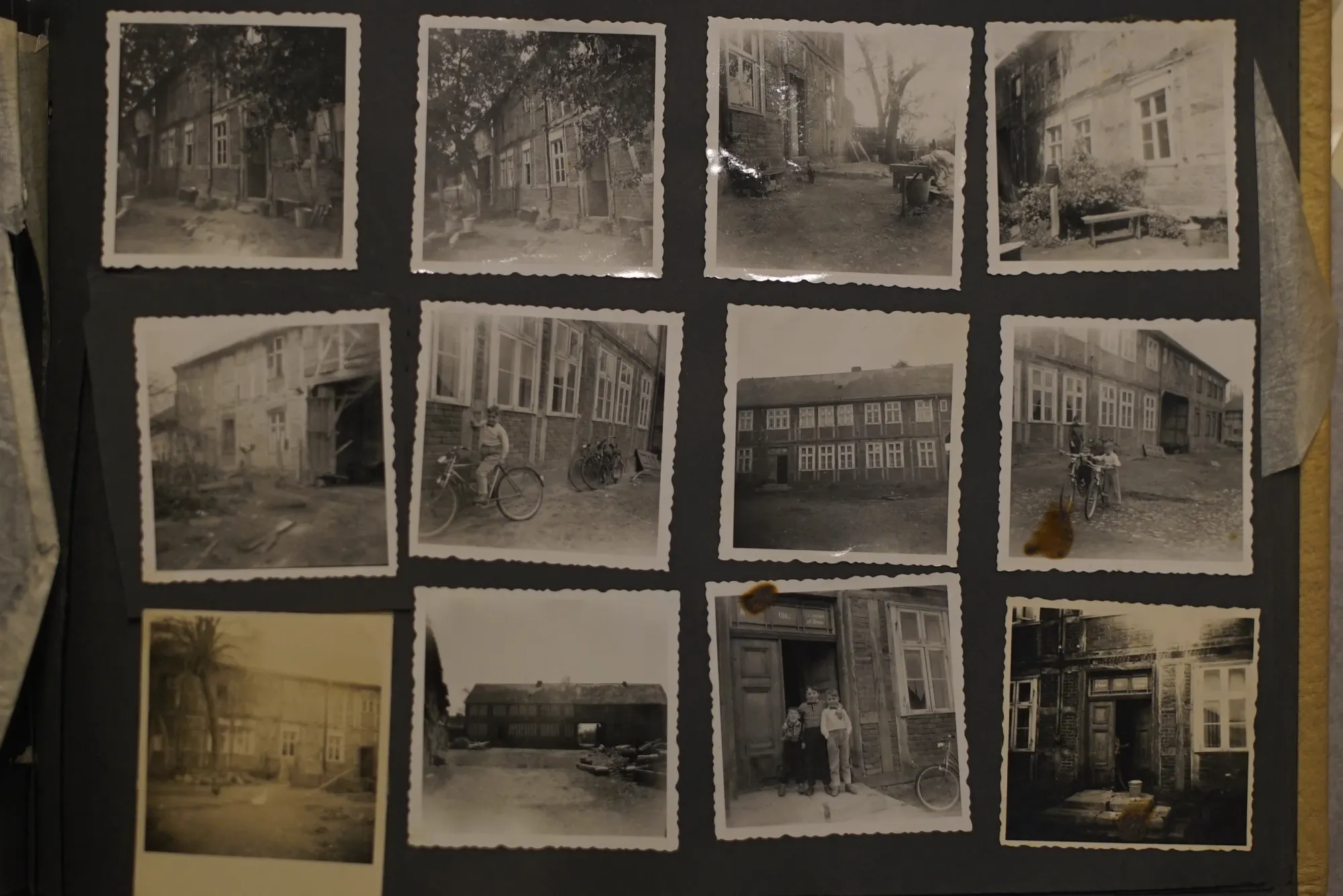
Only Friedel Schäfer, her sister and her mother were allowed to stay, partly to look after the livestock that the other families had been forced to leave behind.
From 1961 onwards, they lived in the restricted zone, under the watchful eyes of border guards, in the immediate vicinity of the border defences.
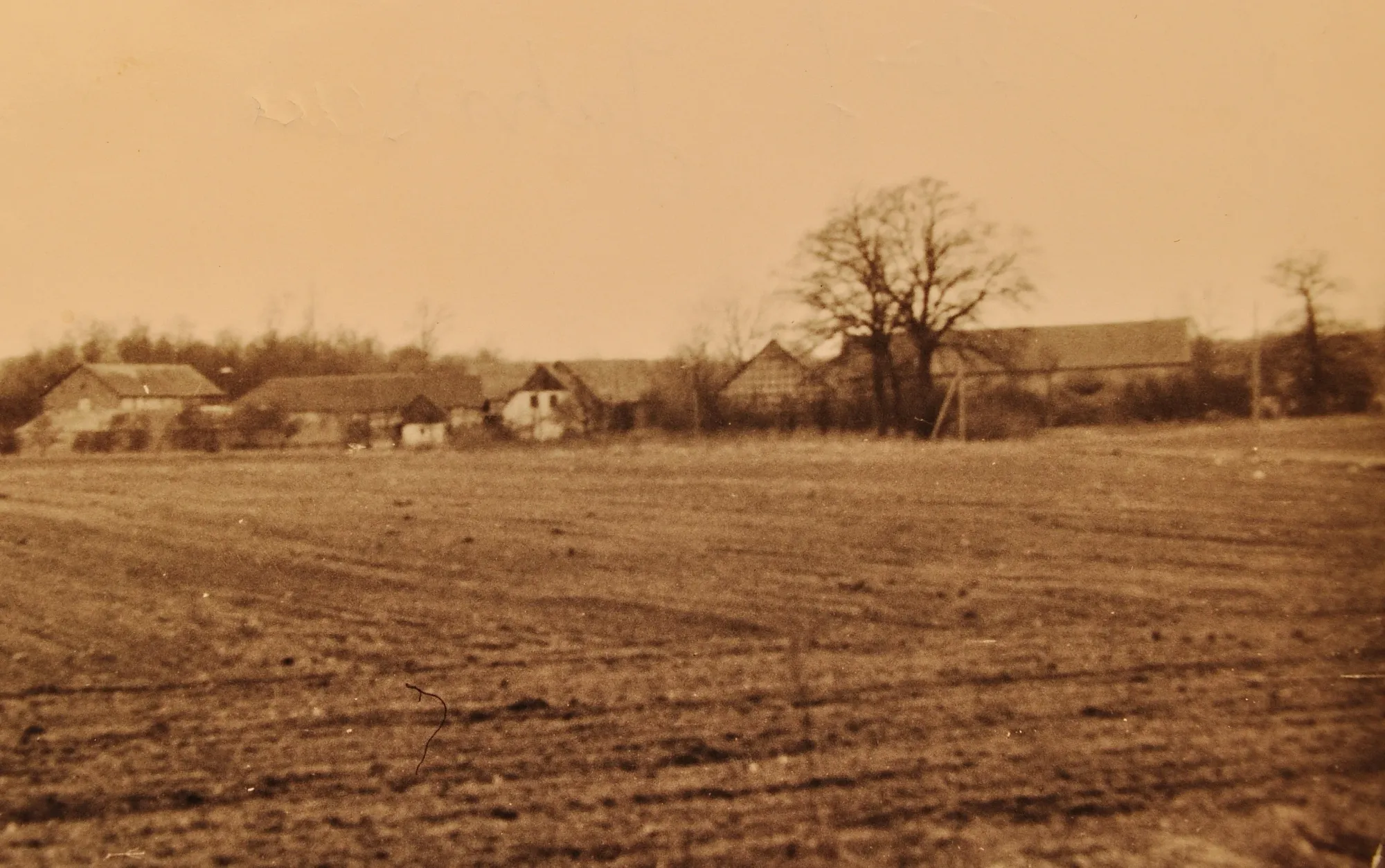
During this time, Friedel, now 17, takes photos that are probably the last pictures of Jahrsau.
When we moved to Jeebel, she wanted to sleep in Jahrsau one more night.
I said: Grandma, come on, get in the car. I knew exactly: if we had come in the morning, she would have done something …
And from Jeebel, as long as the houses were still standing, you could look out from the garden … she watched from afar.
Yes. You can’t just uproot an old tree like that. It’s hard.
In March 1970, the village is finally wiped off the map: all farmsteads are levelled and the chapel is destroyed.
And Jahrsau became one of the approximately 200 villages that were razed to the ground in the GDR.
At first we didn't even notice that Jahrsau was gone.
I just thought at some point: Gosh, there isn't a single house left.
All those houses and barns and stables, how did they take it all away?
And then a woman in Jeebel told me, she had been away at a health retreat, and when she came back:
“There's a big pile of rubble. What on earth is that?”
“Well, that's what's left of Jahrsau.”
Walkers and visitors to Jahrsau have got into the habit of placing everything they find on their walk through Jahrsau here.
Here’s a tin of anchovies.
Or here. There used to be mosquitoes, didn’t there? Here’s some mosquito repellent.
It was always important to me to give the people who wander in here this experience.
Have a look – there used to be a village here; this is where they lived.
Thank you very much for visiting!
You can experience the whole tour at the abandoned village of Jahrsau, near Jeebel.